
Women Who Refuse to Let Tuberculosis Win
Honouring the women shaping the science, care, and advocacy of tuberculosis
Tuberculosis (TB) has accompanied humanity for centuries. Even in the age of advanced diagnostics, antibiotics, and global health initiatives, it remains one of the most persistent infectious diseases worldwide. Scientific breakthroughs and policy frameworks often dominate discussions about TB control, yet behind every advance are individuals whose work, dedication, and courage move the field forward. Many of these individuals are women.
Across laboratories, hospitals, communities, and policy platforms, women have contributed profoundly to understanding tuberculosis, treating patients, and advocating for better systems of care. On International Women’s Day, it is important to recognize not only the progress made against TB but also the women who have helped shape that progress.
Their stories span generations and disciplines, from early biochemical research to modern molecular biology, from frontline nursing to global health leadership.
Early scientific foundations in tuberculosis research
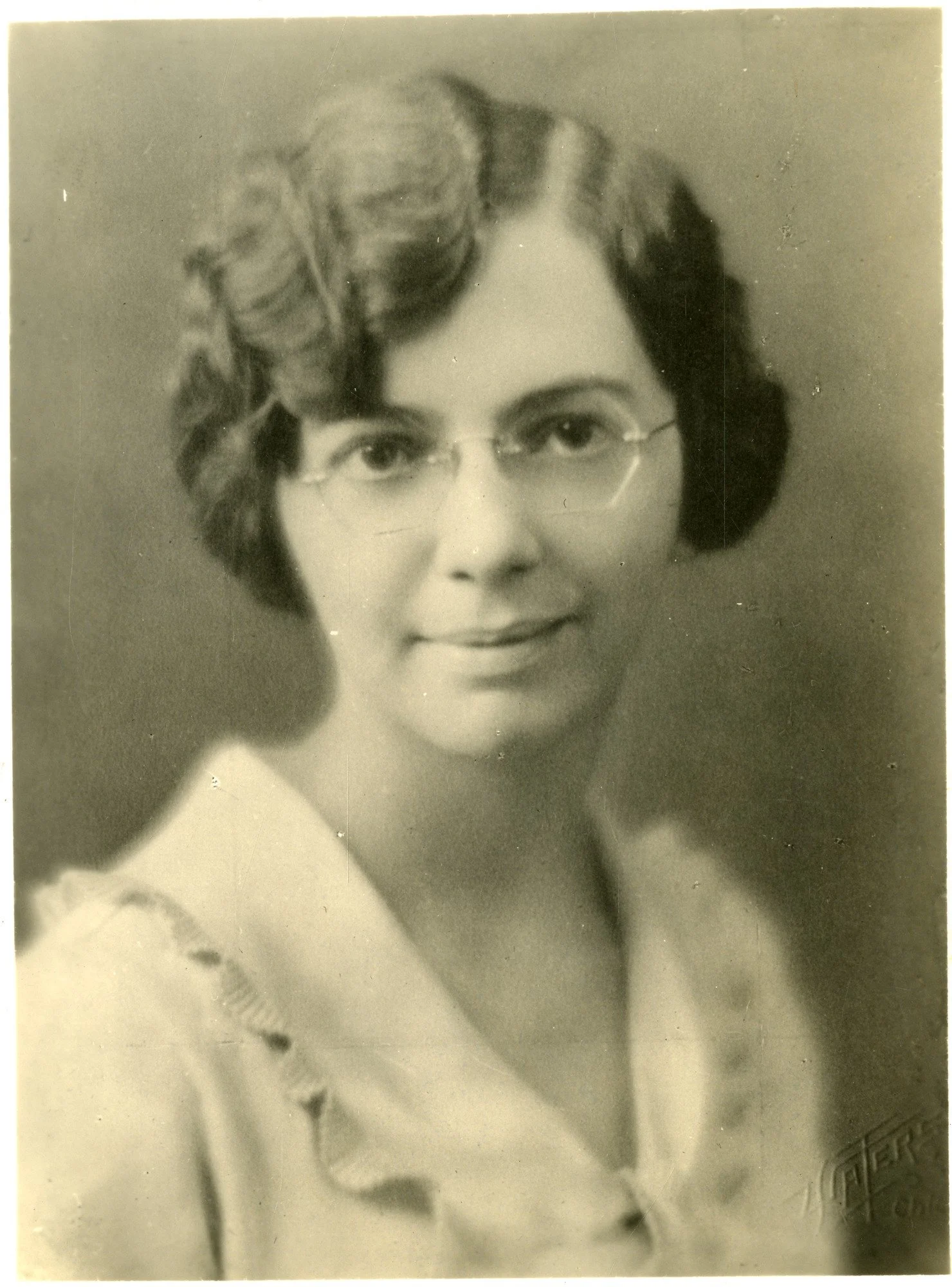
Modern TB control rests on decades of scientific discovery. Among the pioneers whose work continues to influence tuberculosis diagnostics today is Florence B. Seibert. Seibert played a crucial role in refining the purified protein derivative (PPD) used in the tuberculin skin test, an important tool for detecting TB infection. Her work improved the reliability and standardization of the test, enabling clinicians and public health authorities to better identify individuals exposed to Mycobacterium tuberculosis.
Seibert pursued her research at a time when women faced significant barriers in scientific careers. Nevertheless, her contributions remain central to TB diagnostics even decades later. The scientific rigor she brought to immunology and microbiology continues to influence how infectious diseases are investigated today.
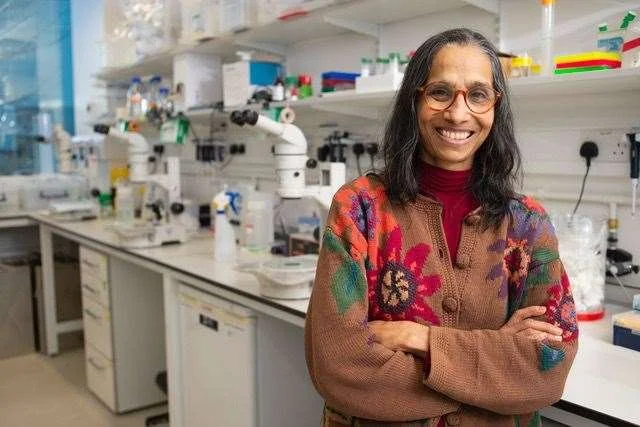
Contemporary research has expanded far beyond early immunological testing. Scientists such as Lalitha Ramakrishnan have transformed our understanding of TB pathogenesis. Ramakrishnan’s work using zebrafish as a model system revealed critical insights into how Mycobacterium tuberculosis interacts with the immune system. Her research on granuloma formation, host responses, and bacterial survival mechanisms has helped clarify how TB infection develops and persists in the body.
This work demonstrates how fundamental biological research can reshape strategies for treatment and prevention.
The overlooked history of the Black Angels
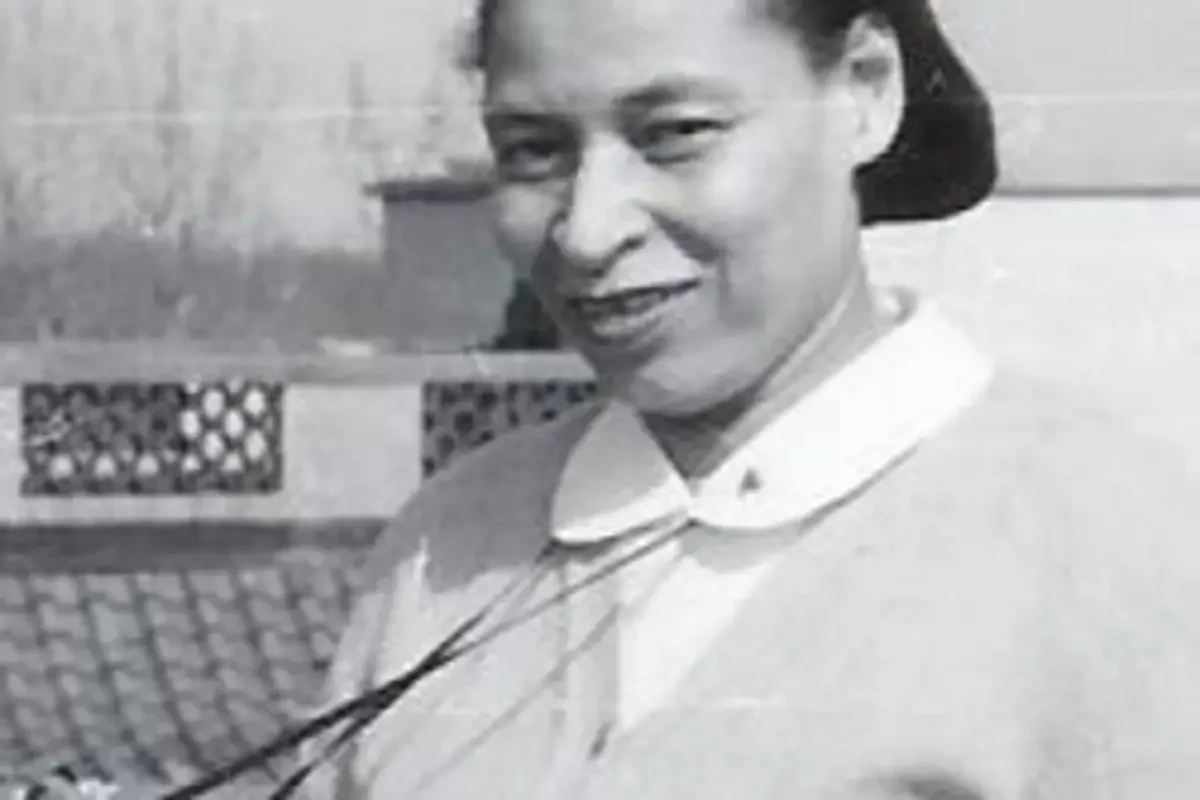
Nurse Janie B. Shirley (pictured left) , one of the Black AngelsCredit: The Williams Family
Scientific discoveries alone did not drive progress against TB. Nursing care, patient monitoring, and clinical observation also played a decisive role, particularly in the early twentieth century.
One remarkable but often overlooked group of contributors were the Black nurses who worked at Sea View Hospital in Staten Island, New York. During the early twentieth century, tuberculosis was one of the most feared diseases in the United States. Hospitals struggled to recruit nurses willing to work in TB wards because of the risk of infection and the demanding nature of long-term patient care.
As a result, many hospitals began hiring trained Black nurses, many from the American South, who had fewer employment opportunities due to segregation. These nurses became known as the “Black Angels.” Their dedication helped sustain TB hospitals at a time when staff shortages threatened patient care.
Among them were nurses such as Janie B. Shirley, Clemmie Phillips, Missouria Meadows-Walker, Edna Sutton, and Stiversa Bethel. These nurses cared for patients suffering from advanced tuberculosis and developed deep clinical expertise in monitoring the disease.
Their role became especially significant during one of the earliest clinical trials of isoniazid, a drug that would later become a cornerstone of TB treatment. The nurses administered medications, monitored patient symptoms, recorded detailed observations, and ensured consistent care for individuals who often spent months or years in sanatoriums. Because they worked closely with patients every day, they were frequently the first to notice subtle improvements or side effects.
Another figure associated with the Sea View nursing staff was Virginia Allen, who began working at the hospital at a very young age and spent years caring for TB patients. Like many of the Black Angels, she worked in conditions that were both physically and emotionally demanding.
Despite their critical role in patient care and clinical research, these nurses remained largely unrecognized for decades. Only in recent years has their contribution to tuberculosis treatment and medical history begun to receive wider acknowledgement.
Their story reminds us that progress against TB has always depended on dedicated frontline healthcare workers.
Advancing clinical and epidemiological research
While laboratory discoveries help explain the biology of TB, clinical researchers translate these insights into strategies that improve patient outcomes.


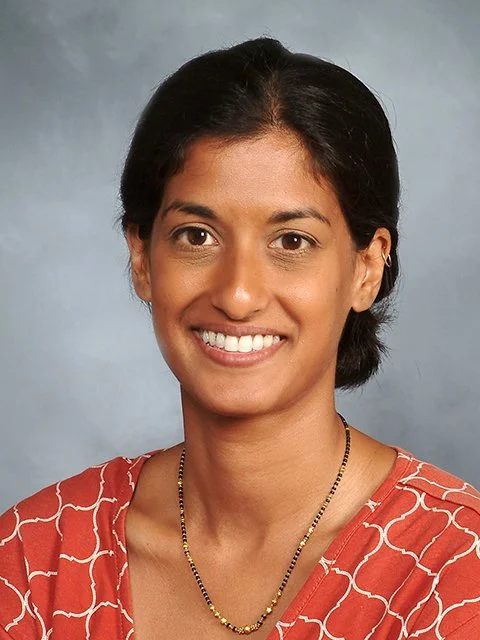
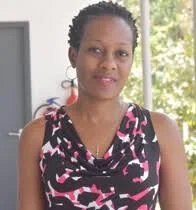
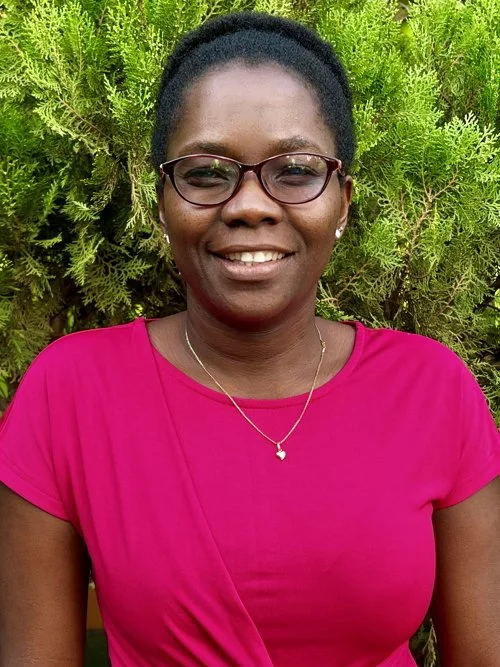
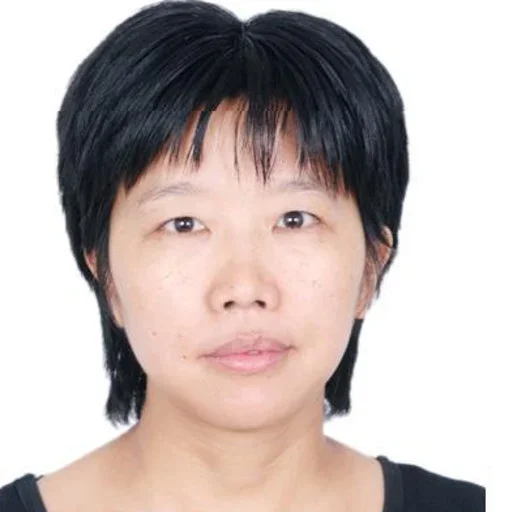
One such leader is Elizabeth Corbett, whose work has significantly advanced understanding of tuberculosis epidemiology, particularly in high-burden regions of Africa. Her research has explored the interaction between TB and HIV, an area that has critical implications for screening, diagnosis, and treatment strategies.
Researchers such as Nicole Salazar-Austin and Jyoti Mathad have also focused on vulnerable populations. Their work highlights important gaps in TB research related to maternal health, pregnancy, and childhood infection. Tuberculosis during pregnancy remains underdiagnosed in many settings, and their research aims to improve screening, prevention, and treatment for mothers and infants.
Clinician-scientists including Christine Sekaggya-Wiltshire and Lydia Nakiyingi have contributed significantly to clinical studies investigating treatment strategies, drug resistance, and patient outcomes. Collaborative research involving experts such as Hairong Huang illustrates how global partnerships are essential for tackling TB in diverse populations.
These researchers demonstrate how clinical science connects laboratory discoveries with real-world health improvements.
(Pictured from left to right in order of name mentioned)
Women strengthening TB programs and public health systems
Ending TB requires more than laboratory breakthroughs and clinical trials. Strong public health systems, policy frameworks, and international collaboration are equally important.
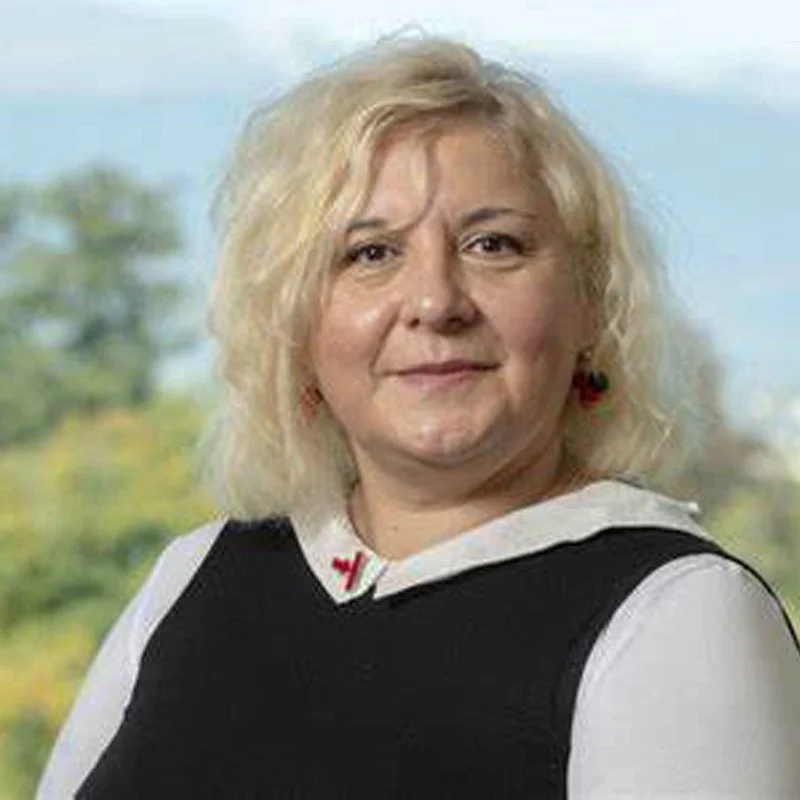

A prominent global leader in this space is Lucica Ditiu ,Executive Director of the Stop TB Partnership. (Pictured on left) Under her leadership, the partnership has advocated for stronger global commitment to tuberculosis elimination, improved funding for TB programs, and expanded access to diagnostics and treatment.
Public health professionals such as Michelle Macaraig (Pictured on right) have also contributed to strengthening TB surveillance systems and program implementation. Their work ensures that policies translate into effective action at the national and regional levels.
Policy development and program management may not always attract public attention, but they are fundamental to ensuring that scientific advances reach the communities that need them most.
Addressing social dimensions of tuberculosis
Tuberculosis is not only a biological disease but also a social one. Stigma, poverty, and health system barriers continue to influence who is diagnosed, treated, and cured.


Researchers such as Babongile B. Nkala (Pictured on left) study how social dynamics, gender roles, and community engagement shape TB outcomes. Understanding these factors helps design programs that are culturally appropriate and responsive to community needs.
Advocacy also plays a crucial role in addressing patient experiences and improving treatment systems. A powerful voice in this area is Nandita Venkatesan (Pictured on right). After experiencing severe side effects during TB treatment, she became a global advocate for patient rights and pharmacovigilance. Her work emphasizes that TB care must prioritize not only cure rates but also patient safety and quality of life.
Contributions from frontline professionals and emerging leaders
The global fight against tuberculosis involves a wide network of clinicians, researchers, and health professionals working in diverse settings.


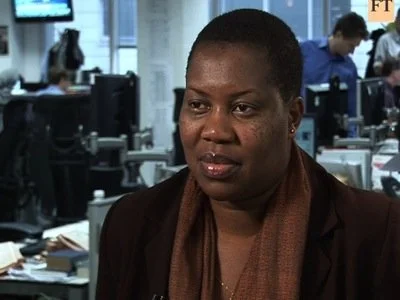


Professionals such as Hiwot Menbere, Galina Zaporojan (Not pictured), and Natalia Vezhnina (On 2nd position from right in the group photo) contribute to TB research and care within regional programs and health institutions. Their work supports surveillance, diagnostics, and patient-centered treatment.
Others, including Lucy Chesire and Rebecca Clark, participate in clinical coordination, research initiatives, and community engagement efforts that help strengthen TB control programs.
Communication and advocacy also play important roles in public health. Experts such as Jayne Sunderland contribute through education, policy engagement, and interdisciplinary collaboration.
Together, these individuals represent the diverse range of skills required to address tuberculosis effectively.
(Pictured from left to right in order of name mentioned)A collective legacy in the fight against TB
The women highlighted here represent different disciplines, countries, and career paths, yet they share a common goal. Each has contributed in her own way to understanding, treating, and ultimately eliminating tuberculosis.
Their work illustrates an important truth. Progress against TB depends on collaboration across science, medicine, policy, and community engagement. Laboratory discoveries must connect with clinical care, and public health programs must respond to the lived experiences of patients.
As the global health community continues striving toward TB elimination, the contributions of these women serve as both inspiration and reminder. Scientific breakthroughs are essential, but so are the people who pursue them with persistence, empathy, and dedication.
Recognizing these efforts on International Women’s Day is not only about celebrating individual achievements. It is about acknowledging the collective work of women who continue to shape the future of tuberculosis research and care.
Their contributions bring us closer to a world where tuberculosis is no longer a threat to global health.
P.S. Here I try to honour most of the known leaders but there are so many which I haven’t named, please do write their names in the comment section!
Written by Neilay Bhalerao